0 km
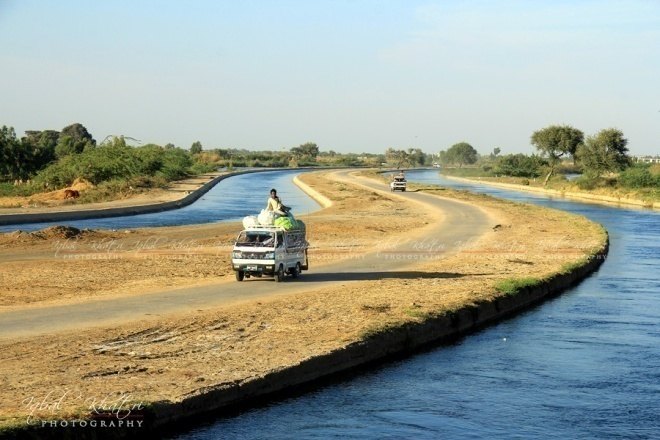
K-2 & KDA Canals
The Kinjhar–Gujjo canal divides into the K-2 and KDA canals that carry Indus water to Karachi — the source of the lower delta’s fertility. Both run parallel to N-5 and right beside the project land.


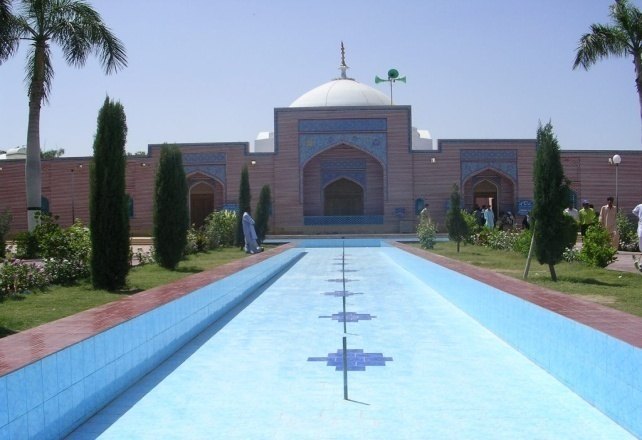
Mughal mosques, UNESCO necropolises, ancient ports and freshwater lakes — the backdrop to every Pak Assasa farmhouse.
Pakistan offers everything from the Arabian Sea coast to the northern mountains. Sindh — with its beaches, wetlands, deserts, hills, farmland and archaeological sites — has yet to develop its tourism industry the way the north has.
Thatta, a historic town of around 220,000 people, lies about 100 km from both Karachi and Hyderabad. It was the capital of Lower Sindh from the 14th century, ruled under the Mughals from 1592 to 1739, and has one of the largest concentrations of heritage monuments in the country.
Visitors from Karachi already frequent the area every weekend — but quality places to stay are scarce. That’s the gap our farmhouses fill.
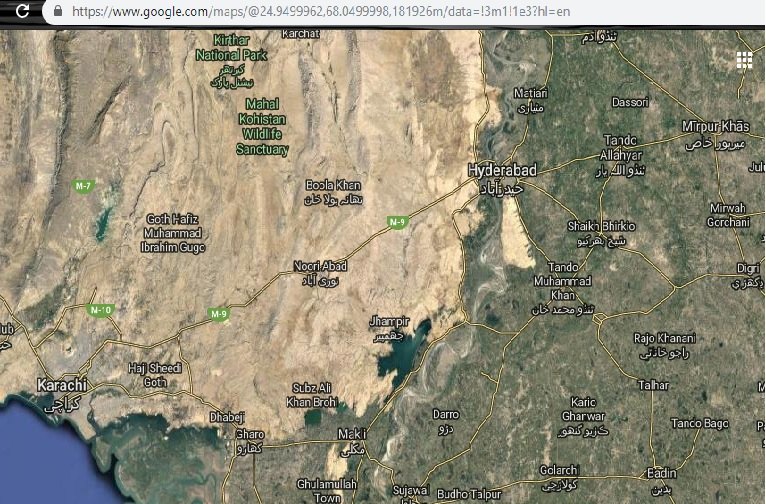
Distances measured from Canalview Farms on National Highway N-5.
The Kinjhar–Gujjo canal divides into the K-2 and KDA canals that carry Indus water to Karachi — the source of the lower delta’s fertility. Both run parallel to N-5 and right beside the project land.
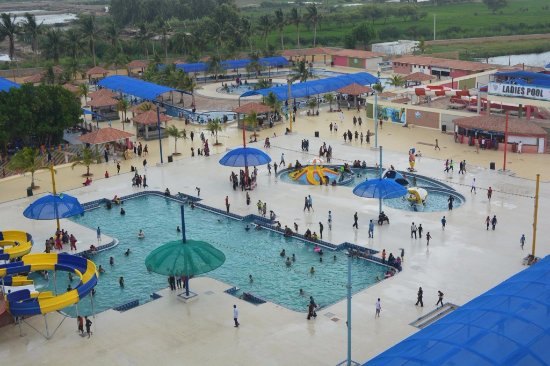
A family water park focused on fun, safety and cleanliness — and committed to environmentally conscious operation.
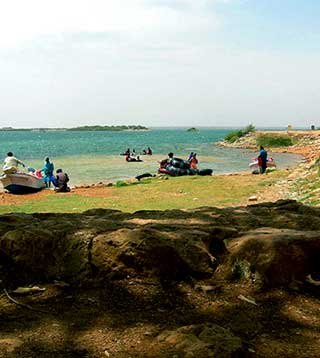
With nearby Hadero and Keenjhar, Haleji forms a vast waterfowl habitat where 223 bird species have been recorded. A declared wildlife sanctuary with a 10.6 km² reservoir.
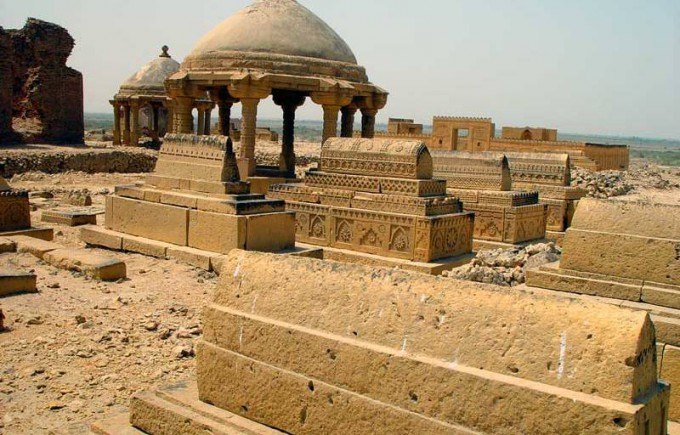
Built between the 15th and 18th centuries from huge sandstone slabs stacked into pyramid shapes and carved with intricate patterns — a remarkably well-preserved necropolis. Best explored in daylight.

A famous 24-hour food stop known for taste, hygiene and safety — a meeting point that draws diners from far and wide.
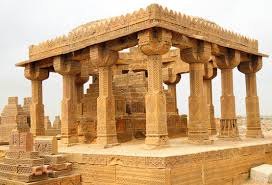
One of the world’s largest funerary sites, spread over 10 km² with up to a million tombs across 400 years — royalty, Sufi saints and scholars. A UNESCO World Heritage Site since 1981.
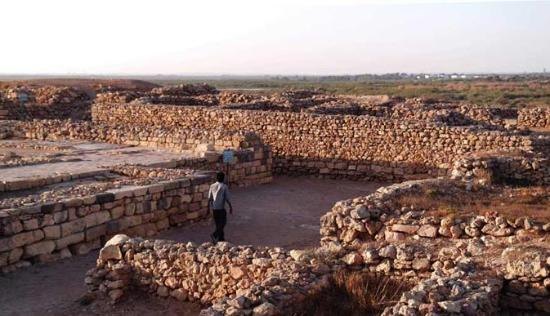
A city over 2,100 years old, with Scytho-Parthian, Hindu-Buddhist and early Islamic layers. Often identified with Debal, where Muhammad bin Qasim landed — and home of the legend of Sassi and Punnu.
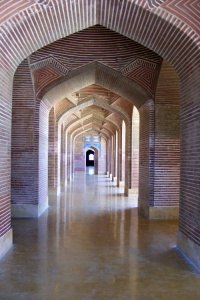
Built in 1647–49 by the emperor who built the Taj Mahal, it holds South Asia’s most elaborate tile work — blue and white mosaics and geometric brickwork, with acoustics that carry the imam’s voice without speakers.
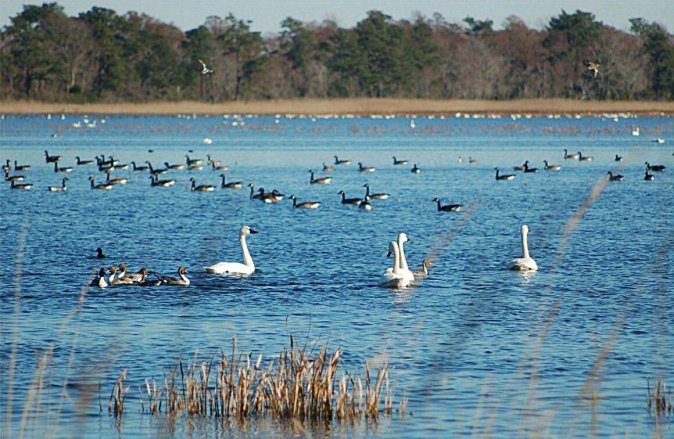
One of Pakistan’s largest perennial freshwater lakes, with reed beds and lotus flowers. A wildlife sanctuary and Ramsar site — and home to the legend of Noori and Jam Tamachi.
Formed when the Indus changed course and later joined by a 1950s embankment to supply Karachi’s drinking water, Keenjhar supports remarkable biodiversity.
Its tomb at the centre of the lake is said to be that of Noori, the fisher girl who married Jam Tamachi, ruler of Sindh. The lake has inspired generations of Sindhi folk poetry.
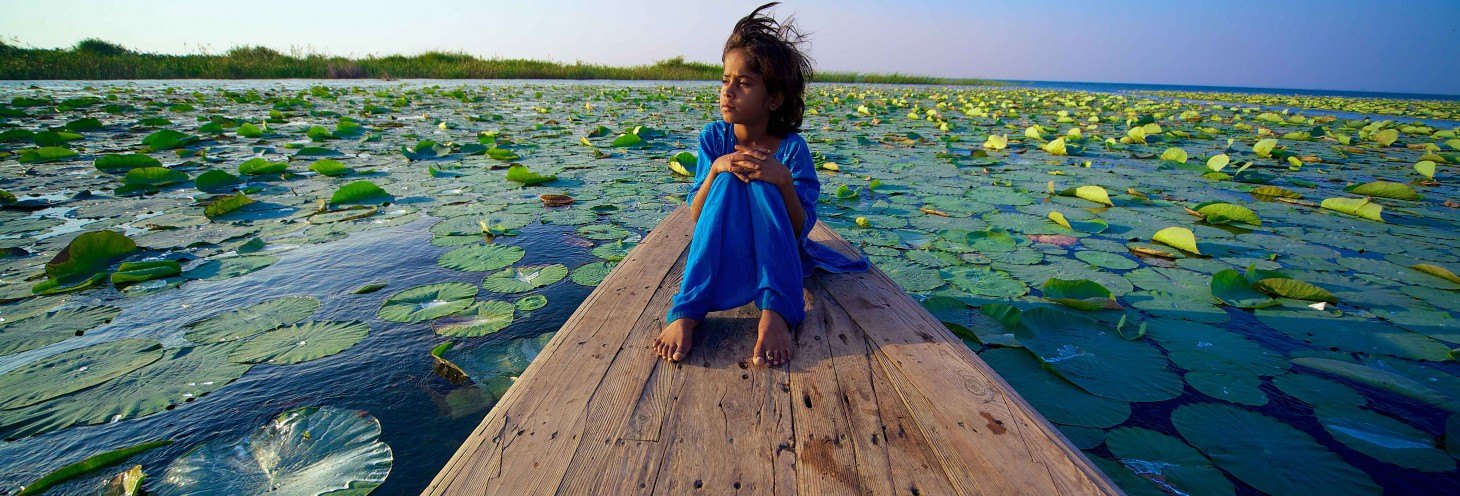
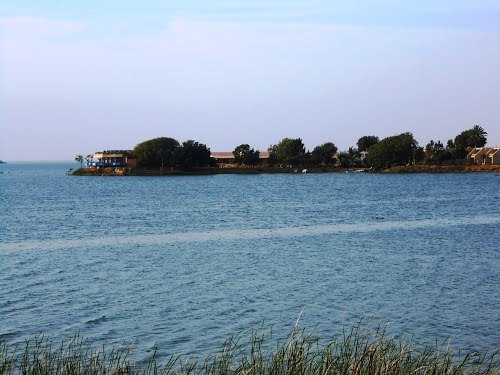
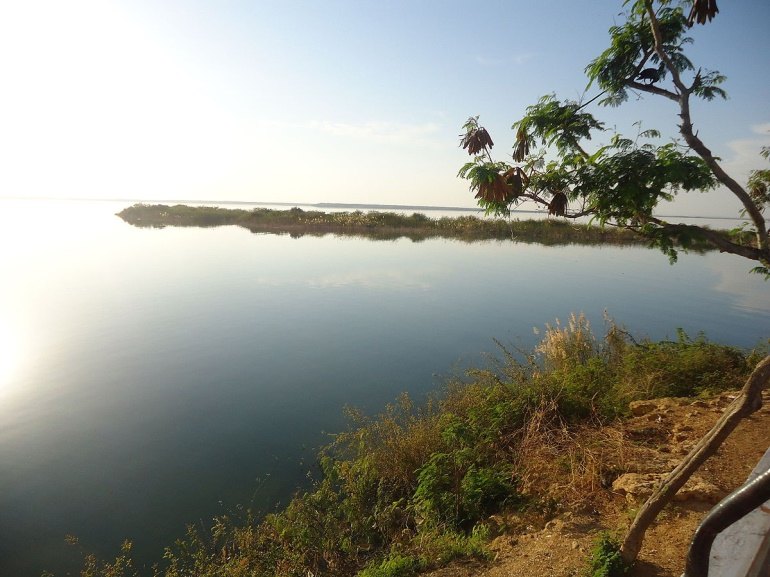
Fishing, mat-making, stone extraction, agriculture and tourism sustain lakeside communities — but unplanned development has taken its toll. Our projects follow an eco-sensitive, low-density approach that engages locals and visitors in conservation.
Own a farmhouse surrounded by history and nature.